
Your Impact

When you support HelpMeSee, you ensure that our mission is carried out in the following key areas:
training cataract surgery specialists
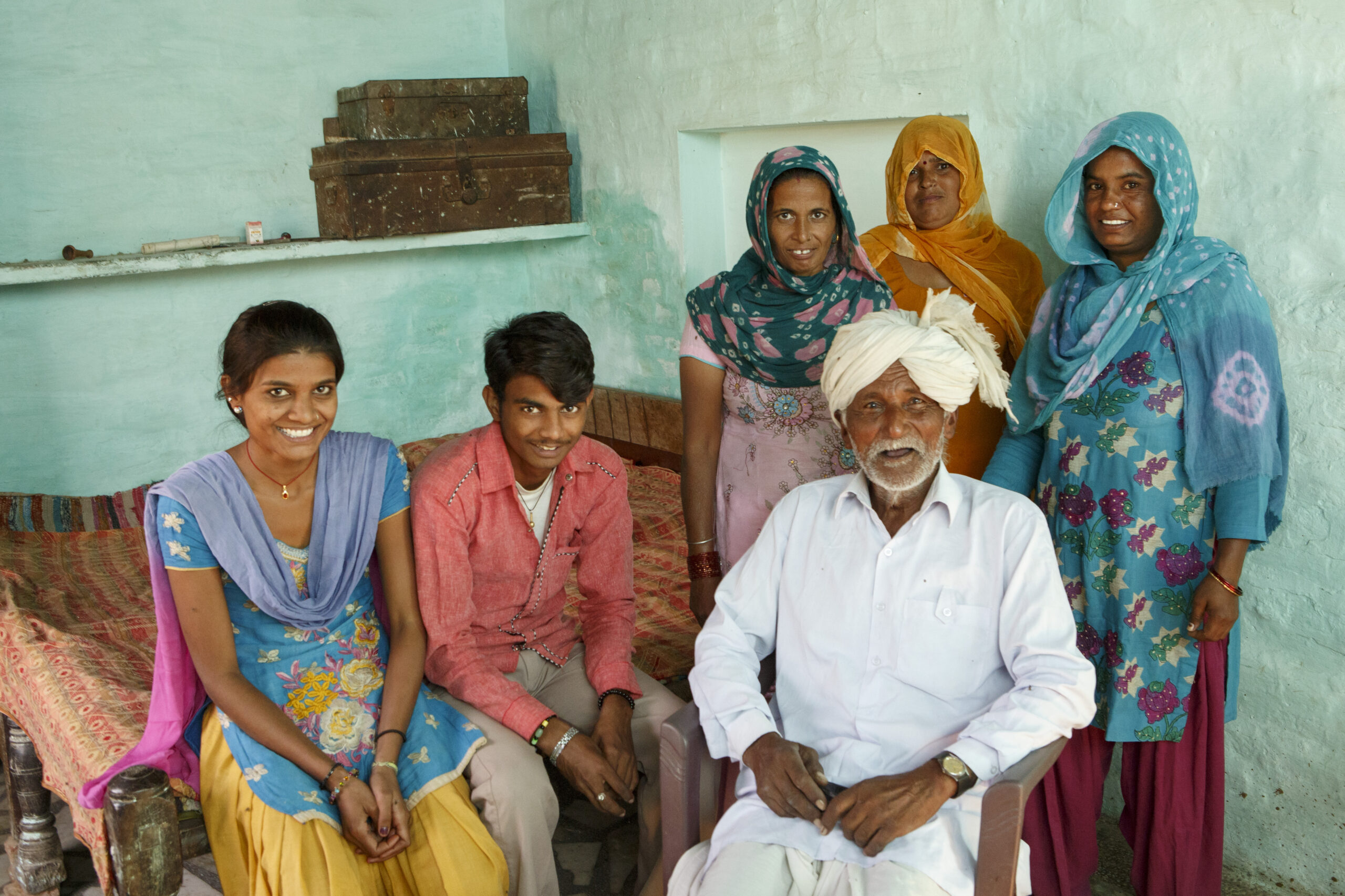
Imagine for a moment that you live in India – a country where 18.7 million people are living with complete blindness, over half of which is caused by treatable cataract (currently, 3.8 million people go blind because of cataract every year). Like one of these million, you’ve developed cataract, and have lost your vision – your ability to work, care for yourself, or see your family
clearly. If you lived in rural India, your chance of receiving local care to restore your sight is slim because of the shortage of cataract surgeons. Your only hope is to travel far into the city in search of care with your limited resources (some travel as far as 4-5 hours). For millions of Indians, this is their reality.
Read More
We recently caught up with Dr. Hemali Kanabar, a recent trainee who lives in India. Since her training with HelpMeSee, she’s restored sight to over 137 people! She raved about how well prepared she was to perform cataract surgery on patients after her training with us – so much so that her mentors were shocked at her surgical ability!
Dr. Kanabar works at a government hospital in India, and she told us that in her region, many people need cataract surgery. One way her hospital is trying to reach the cataract blind is by running eye care camps for the community. Ahead of these camps, hospital social workers will travel throughout the community to find cataract patients, then bring them back to the camp, feed them, provide them with bedding, and treat their cataract, all at no cost to them. It’s an incredible program.
Dr. Kanabar is one of the cataract specialists who restores sight to these patients. As we spoke with her, we couldn’t help but notice the passion and glow on her face as she talked about participating in these camps. This is what brings her to life – restoring sight to people living in darkness.
Increasing access to quality eye care
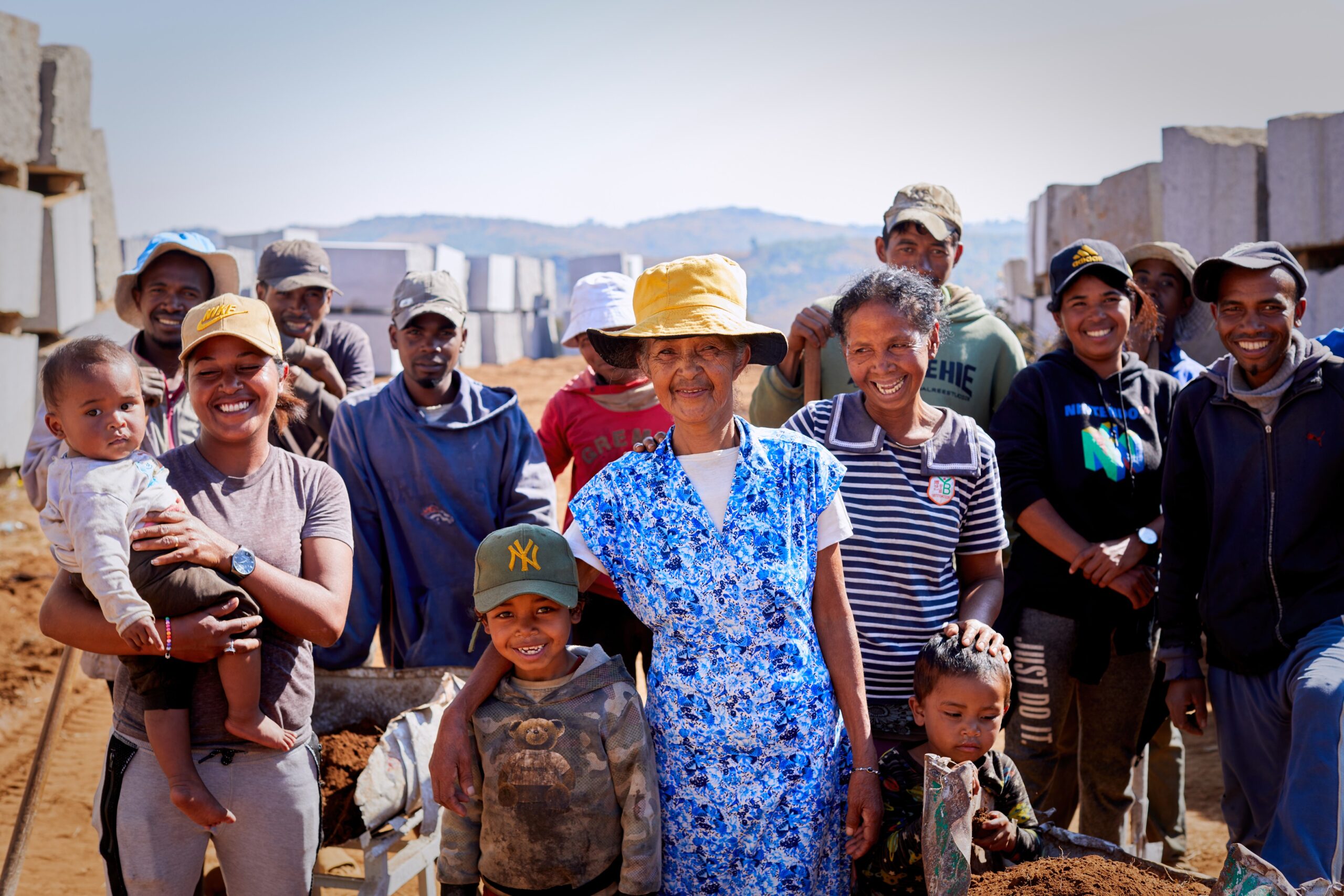
Meet Marie. Marie (center, blue dress) is a 72-year-old widow and mother of 7 who lives in the rural countryside of Madagascar. She lives in a traditional Malagasy mud-brick home with her youngest daughter and her three grandchildren. Marie’s life revolves around her grandkids, whom she loves spending time with, and attending church. Even in challenging financial times, Marie was able to provide for herself and her family by sewing and farming. All this changed when Marie developed aggressive cataracts to the point that she lost her vision.
Read Marie's Story
Marie’s life began to change, filling each day with fear and sadness. Her family had to care for her daily needs. But her story wasn’t over! In this newsletter issue, we’re going to walk you through, from start to finish, how Marie received the care that changed her life. And it all starts with you.
Act 1 – Training
Long before a cataract can be removed from someone’s eye, there’s a very key step that must take place – training. In areas where there are not enough cataract surgeons to treat the vast number of people living in blindness (like Madagascar), our mission is to train general practitioners to perform cataract surgery in their communities for years to come.
Dr. Rico, Marie’s would-be hero, was just that. Often seeing patients who had cataracts that he could do nothing about, he decided enough was enough. Dr. Rico traveled to HelpMeSee’s training site in Antananarivo, Madagascar, where he underwent a week of intensive training in cataract surgery using HelpMeSee’s cutting-edge eye surgery simulator.
Part of HelpMeSee’s mission is to cover the financial costs associated with training cataract specialists, bringing the gift of sight to communities around the globe. Thanks to our simulator and Dr. Rindra’s (HelpMeSee’s trainer) helpful instructions, Dr. Rico safely and successfully performed his very first cataract surgery on our simulator and passed with flying colors. Now ready to perform on real patients, Dr. Rico was handed off to a local cataract surgeon to mentor him and ensure he was prepared to begin operating on people.
Act 2 – Patient Evaluation
We introduced you to Marie on the front page, whose life was turned upside down when she lost her sight because of untreated cataracts in both eyes. She told us, “The hardest part is not being able to leave the house without a companion, even when going to church, because I can’t find my way and I’m afraid of tripping. I can’t recognize my own children unless they are close or
speak to me. I wish to see again so I can go to church, plant crops, and take care of my grandchildren as I used to.”
Marie would get her wish. She was able to travel to a health clinic where she met Dr. Rico, who, by now, had successfully performed numerous cataract surgeries. Dr. Rico evaluated Marie, and she was scheduled to receive her cataract surgery at no cost to her or her family.
Act 3 – Removing the Cataract
The big day finally arrived. Dr. Rico was prepared as usual, and Marie made her way to the clinic with her daughter, where she received the care she had been waiting years for. Though a bit nervous, she could barely contain her excitement at the thought of seeing her grandchildren again. Thanks to Dr. Rico’s extensive training and sure hand, he successfully removed Marie’s clouded cataract lens and replaced it with a new one.
Marie was so thankful to Dr. Rico for taking such good care of her. Marie’s eye was covered with a bandage to help protect and heal the incision, but soon, she would be able to remove the patch and get her life back. Marie could hardly wait!
Act 4 – Healing and Restoration
Marie returned home, and a few days later, she removed her eye patch, restoring all that had been lost to her. She could see what she had missed so dearly—the joyful faces of her grandchildren, whom she loves so much. Marie told us,
“I am so glad the surgery is over. I am no longer afraid.Since the surgery, I haven’t had any fear. When the bandages were removed, I saw everyone I wanted to see. Even the children noticed I could see clearly. When one of my eyes was operated on, they tested me with their fingers, asking how many they were holding up, as if they were doctors! I am so grateful to God that the surgery went well and to HelpMeSee for taking care of me because without this organization, the surgery wouldn’t have happened.”
advancing simulation-based training

At the heart of our model for training sight-restoring heroes are our simulator and our instructor-led simulation-based training program. HelpMeSee’s Eye Surgery Simulator allows trainees to practice the procedure of removing a cataract repeatedly, without risking harm to a live person.
Read More
There are two main types of cataract surgery, MSICS and PHACO. MSICS stands for Manual Small Incision Cataract Surgery. This type of procedure can be performed almost anywhere with limited resources and takes as little as 10 minutes. MSICS is the surgery that we train our students in, which best prepares them to help people in at-risk communities across the globe.
In 2023, we released a training course for the PHACO procedure. PHACO, which stands for phacoemulsification, is the type of cataract surgery that you would probably receive if you went to see an eye surgeon in the US. This procedure uses a large machine called (yep, you guessed it) a phaco machine, which emits high-frequency sound waves to break up the cataract so it can be removed.
The release of this new training is significant because HelpMeSee can now help improve the quality and safety of cataract surgery here in the US and anywhere else the PHACO procedure is performed. We hope to enhance people’s eye health worldwide, regardless of location or circumstances.
Become a HelpMeSee Insider
Do you want to receive exclusive email updates directly from HelpMeSee?
Get direct and instant access to a member of our team, who will share information about your impact, project outcomes and stories from the field.